Do colleges do background checks?
You submitted your application, wrote the perfect essay, and now you’re wondering: will the admissions office dig into your past? The short answer is yes—but not in the way most people assume.
Colleges do run background checks, though the scope depends heavily on the situation. Most schools do not perform criminal background checks on every applicant. Instead, checks are targeted, situational, and often tied to specific programs, housing, or employment on campus.
When Colleges Actually Run Checks
Background screening in higher education tends to happen in these scenarios:
- Admissions with disclosure questions: Many applications ask about criminal history, and schools may verify answers.
- Clinical and licensure programs: Nursing, education, and healthcare programs often require criminal checks before placement.
- Campus employment: Student workers, resident advisors, and lab positions may face standard employment screening.
- Athletics and study abroad: Some competitive or travel programs add extra vetting.
- Graduate and professional schools: Law and medical schools frequently require deeper background reviews tied to bar or board admission.
What a College Background Check Includes
The exact contents vary, but checks may cover:
- Criminal records at the county, state, or national level
- Sex offender registry searches
- Verification of prior education and transcripts
- Identity confirmation
Curious how education verification works on the employment side? Our guide on whether background checks show education history breaks down how schools and diplomas get confirmed.
What This Means for Applicants
If you have a record, honesty matters. A disclosed offense rarely disqualifies you automatically, but a discrepancy between your application and the check can raise red flags. Schools generally evaluate context, timing, and relevance rather than issuing blanket rejections.
A few practical points:
- Read every application question carefully and answer truthfully.
- Dismissed or expunged cases may still surface depending on the search type—see our note on dismissed charges and background checks.
- Program-specific requirements can be stricter than general admission.
What This Means for Employers and Campus Hiring
Colleges that hire students or staff must follow federal screening rules. Under the Fair Credit Reporting Act, employers using consumer reports need proper consent and disclosure. The FTC’s guidance on using consumer reports outlines these obligations clearly.
Institutions should apply consistent standards, provide candidates a chance to explain findings, and avoid policies that create discriminatory outcomes.
The Bottom Line
So, do colleges do background checks? Yes—selectively. Whether you’re an applicant, a student worker, or a school running the screening, understanding when and why checks happen helps everyone move forward with fewer surprises and cleaner decisions.
Where College Background Checks Usually Apply

Many students wonder whether colleges run background checks during admissions. The answer depends on the situation. Standard undergraduate admissions rarely involve a formal background check, but certain programs and roles trigger deeper screening.
Here are the most common scenarios where a check may apply:
- Clinical and health programs — Nursing, medicine, and allied health students often need checks before patient-facing rotations.
- Education and teaching tracks — Student teachers working with minors typically face criminal history screening.
- Campus employment — On-campus jobs, especially those involving finances or vulnerable populations, may require screening.
- On-campus housing — Some schools review disciplinary or criminal history for residence eligibility.
- Athletics and licensing programs — Certain programs tied to professional licensure conduct additional verification.
So when people ask, “do colleges do background checks,” the honest answer is: sometimes, and usually for specific purposes rather than blanket admissions.
What May Appear in a Compliant Check
When a college or its screening vendor runs a report, it must follow federal rules if a third-party consumer reporting agency is involved. Depending on the scope, a compliant background check may show:
- Criminal records within reportable time frames
- Sex offender registry results
- Identity and address history
- Certain public court records
Reporting limits matter. Under the Fair Credit Reporting Act, some older items may be restricted from appearing. You can read the federal overview from the FTC on the Fair Credit Reporting Act to understand your general rights when a report is used.
Keep in mind that dismissed or sealed cases behave differently across states. For a closer look at that topic, see our guide on whether dismissed charges show up on a background check.
What Usually Requires Separate Verification
Not everything a college wants to confirm comes from a standard criminal report. Several items typically need their own verification process:
- Academic history — Prior degrees, transcripts, and enrollment are confirmed through education verification, not criminal checks. Our article on whether background checks show education history explains how this works.
- Professional licenses — Verified directly with licensing boards.
- Immunization and health records — Submitted separately for clinical clearance.
- References and conduct records — Often gathered by the institution itself.
This separation is important. A criminal background check does not automatically validate your diploma, GPA, or professional standing. Those details flow through distinct channels.
Understanding these categories helps students prepare the right documents in advance. If a program does require screening, knowing what may appear—and what needs separate proof—reduces surprises and delays during onboarding or admission.
When do colleges do background checks?
The short answer to “do colleges do background checks?” is that it depends on the school, the program, and the situation. Not every college runs a background check on every applicant, but many do so at specific points in the admissions and enrollment process.
Here are the most common moments when a background check may happen:
- During admissions: Some schools ask about criminal history on the application itself, though many have moved away from this practice in recent years.
- After acceptance: Certain colleges verify information once you’ve been admitted but before you enroll.
- Before clinical or field placements: Programs in nursing, education, social work, and healthcare often require checks before students can work with patients, children, or vulnerable populations.
- For campus housing or specific roles: Resident assistants, work-study positions, and lab access may trigger a review.
- For licensure-track programs: Fields that lead to professional licenses may have checks tied to state or accreditation requirements.
It’s worth noting that background checks in higher education are not standardized. A large public university may handle this very differently from a small private college or a specialized professional school.
What might a college check look at?
When colleges do run checks, the scope varies. Depending on the school and program, a review could include:
- Criminal records
- Verification of prior academic history and credentials
- Disciplinary records from previous institutions
- Sex offender registry status
Education verification is a common piece of this puzzle. If you’re curious how prior schooling shows up in a report, see our guide on whether background checks show education history.
Why do timing and context matter?
The timing usually reflects why the check is being done. An admissions-stage question is about evaluating the applicant broadly. A pre-placement check is often driven by outside partners—hospitals, school districts, or clinics—that set their own requirements for anyone entering their facilities.
Because these checks can be governed by consumer reporting rules when a third-party company runs them, it helps to understand your general rights. The FTC provides guidance on how consumer reports are used and the disclosures involved.
What should students keep in mind?
A few practical points:
- Read the application and enrollment materials carefully for any disclosure requests.
- Ask the admissions or program office directly if a check is required and when.
- Review your own records ahead of time so there are no surprises.
- Understand that policies differ widely between institutions.
This overview is general information, not legal advice. If you have concerns about a specific situation, consider consulting a qualified professional who can review the details of your case and the applicable rules in your state.
Employer Compliance Steps Before You Act
College Background Check Use Cases
| Screening question | What employers should verify | Risk if skipped |
|---|---|---|
| Is the record relevant to the role? | Compare the record type to job duties, policy, and legal requirements. | Overbroad decisions can create compliance and fairness risk. |
| Is the report current and accurate? | Confirm identifiers, jurisdiction, disposition, and source freshness. | Old or mismatched data can lead to bad hiring decisions. |
| Was consent and disclosure handled? | Use standalone disclosure, authorization, and adverse-action steps where required. | Process errors can create FCRA exposure. |
Sources: FTC employer guidance, FTC candidate rights, EEOC background-check guidance, and Cornell Law FCRA reference.
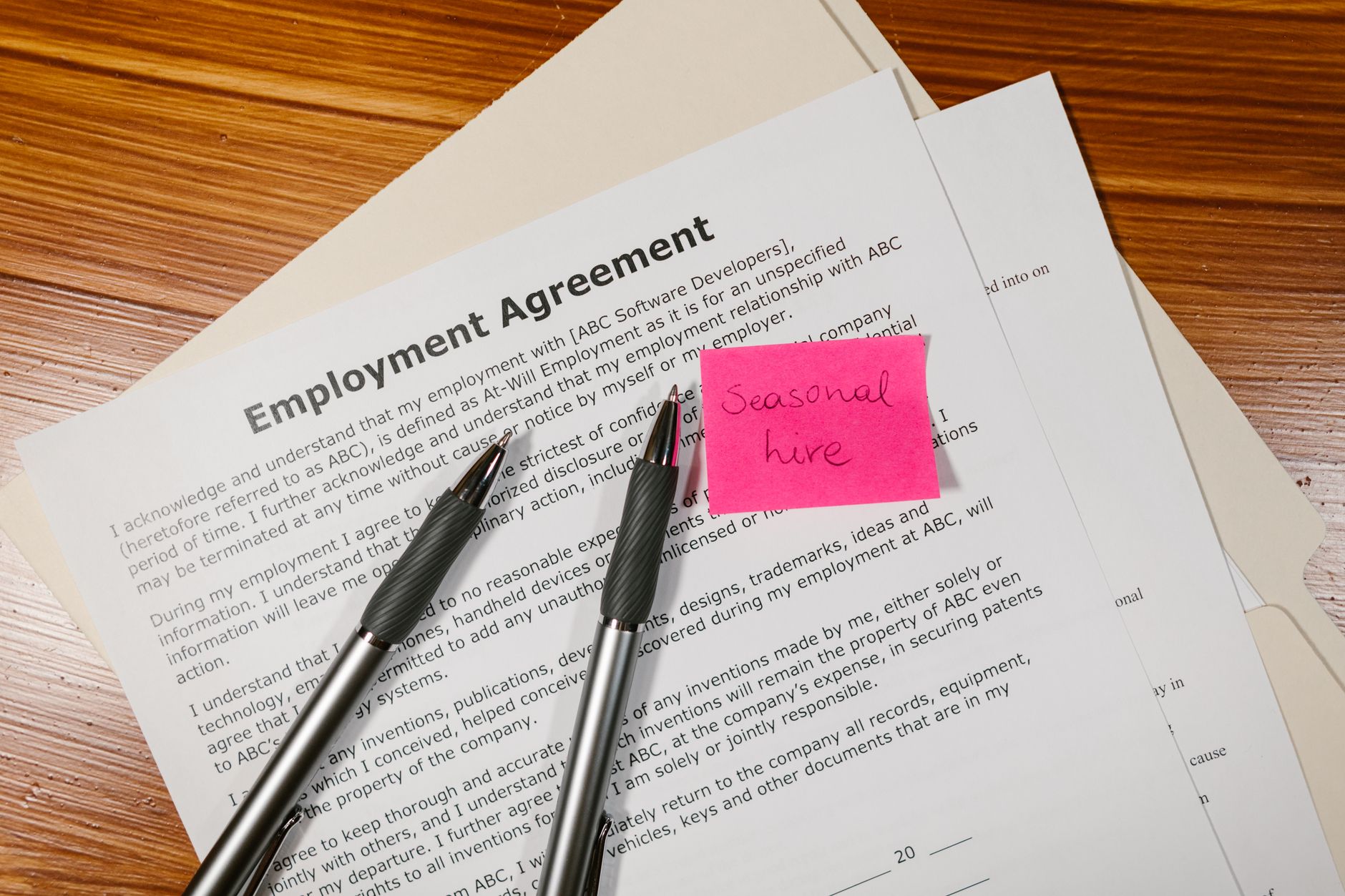
When you ask “do colleges do background checks,” the answer is often yes—but running one is only half the job. Whether you are an admissions office, a college that employs staff, or an organization vetting student applicants, you must follow a compliance process. The Fair Credit Reporting Act (FCRA) and related rules create clear steps you cannot skip.
Here is a practical sequence to keep your process fair and defensible.
1. Get Clear Consent and Provide Disclosure
Before ordering any report, you need written permission. The disclosure must be a standalone document, not buried inside an application form.
- Provide a clear, standalone disclosure explaining that a background check may be used.
- Obtain signed authorization from the applicant or candidate.
- Avoid adding extra liability waivers to the disclosure page.
2. Review the Report for Accuracy
Reports can contain errors, outdated records, or mismatched identities. Take time to confirm the information actually belongs to the person and reflects current facts. This matters especially for records like dismissed charges, which should not weigh against a candidate the same way convictions might.
3. Conduct an Individualized Assessment
If something concerning appears, do not apply a blanket rule. The EEOC recommends an individualized assessment that considers the specifics of the situation.
- The nature and gravity of the offense or record.
- How much time has passed since it occurred.
- How the record relates to the role or program in question.
For deeper background on how records connect to schooling, see our guide on whether background checks show education history.
4. Follow the Adverse Action Process
If you plan to deny admission, employment, or a position based on the report, the FCRA requires a two-step adverse action process.
- Pre-adverse action: Send a notice, a copy of the report, and a summary of rights before making a final decision.
- Waiting period: Give the person reasonable time to respond or dispute inaccuracies.
- Final adverse action: Send a final notice once you make the decision, including required disclosures.
The FTC outlines these employer obligations in detail. Review their guidance at the FTC’s resource on using consumer reports.
5. Account for State-Law Caveats
State and local laws vary widely. Some jurisdictions limit how far back you can look, restrict certain record types, or require “ban the box” timing rules.
- Check whether your state limits reporting of older records.
- Confirm local rules on when you can ask about criminal history.
- Verify any sector-specific requirements for education settings.
This overview is informational and not legal advice. Consult a qualified attorney to confirm your obligations before acting.
How Candidates Can Prepare Before a Screening
If you’re applying to colleges, it helps to know what a screening might reveal before an admissions office sees it. While not every school runs one, the answer to “do colleges do background checks” is often yes—especially for certain programs, campus housing, or clinical placements. Preparing ahead puts you in control.
Review Your Own Records First
Start by checking what shows up on your own report. This gives you time to spot surprises and fix problems before they reach a reviewer.
- Request a copy of your criminal history from your state repository or local court.
- Order a personal background report so you can see it the way a school would.
- Pull your academic transcripts and confirm dates, degrees, and enrollment details match.
- Check driving or credit records if the program specifically requires them.
If you’re unsure how school checks treat coursework and degrees, our guide on whether background checks show education history breaks down what typically appears.
Correct Errors You Find
Reports sometimes contain mistakes—wrong names, outdated case statuses, or records that belong to someone else. You have the right to dispute inaccurate information.
- Contact the screening company or court that produced the record.
- Provide documentation showing the correct information.
- Keep copies of every request and response you send.
The Federal Trade Commission explains your dispute rights under the Fair Credit Reporting Act. You can review those consumer protections directly at the FTC website so you understand the general process.
Gather Supporting Documents
Having paperwork ready lets you respond quickly if a reviewer has questions.
- Government-issued photo ID and proof of address.
- Court documents showing case outcomes, especially for closed or dismissed matters.
- Official transcripts, diplomas, or enrollment verification letters.
- Any expungement or record-sealing orders you’ve obtained.
Old cases can cause confusion even when they were resolved. If you have questions about how resolved matters appear, our overview of dismissed charges on background checks may help you understand what to expect.
Ask Clear Questions
Before you consent to any screening, ask the admissions or program office direct questions so there are no surprises.
- What exactly does the check cover—criminal, academic, driving, or credit?
- Which company runs the screening, and how long does it take?
- How will I be notified if something needs clarification?
- Can I explain the context of any flagged item?
Being organized and honest matters most. If a record appears, a short written explanation with supporting documents often addresses concerns better than silence. Preparing early gives you time to gather evidence, fix errors, and answer questions calmly rather than scrambling under a deadline.
ClearCheck Workflow for Faster Decisions
When you ask do colleges do background checks, the answer often depends on the role, the department, and the timeline. Whether you’re screening faculty, staff, student workers, or contractors, a clear process helps you move quickly without cutting corners.
ClearCheck is built to support organized screening so hiring teams can review information in one place and reach decisions with confidence.
Why a Structured Workflow Matters
College hiring cycles can be intense. Semester start dates, grant deadlines, and enrollment surges create urgent openings that need reliable screening fast.
A repeatable workflow helps you keep every candidate on the same footing. That consistency reduces guesswork and keeps your process easier to explain later.
- Centralized records: Keep reports, notes, and status updates in one view.
- Consistent steps: Apply the same screening flow across similar roles.
- Faster handoffs: Move candidates between reviewers without losing context.
Organizing Screening Around Role Needs
Not every position requires the same depth. A part-time student assistant may involve a different scope than a role handling sensitive data or minors.
ClearCheck helps you set up screening that fits each role type, so you request what’s relevant and skip unnecessary delays.
Education verification is a common question in academic hiring. If you want to understand what those checks can surface, see our guide on whether background checks show education history.
Supporting Urgent Hiring Decisions
Speed and organization work together. When information is easy to find, reviewers spend less time chasing details and more time making sound calls.
- Track where each candidate stands at a glance.
- Flag items that need a closer look before a decision.
- Keep communication tied to the right candidate file.
ClearCheck focuses on helping you stay organized. It does not replace your own judgment or your institution’s policies, and it isn’t a substitute for professional or legal guidance.
Staying Aware of Compliance Basics
Background screening is shaped by federal and state rules, including requirements around notices and candidate rights. Employers using consumer reports should understand their obligations before acting on results.
For an authoritative overview of employer responsibilities, the FTC’s guidance on using consumer reports is a helpful starting point.
Bringing It Together
So, do colleges do background checks? Many do, and the process runs more smoothly when it’s structured, consistent, and transparent to your team.
With ClearCheck supporting your workflow, you can keep screening organized, reduce back-and-forth, and stay ready for the urgent decisions that campus hiring often demands—while your institution keeps final control over every choice.
FAQ
Can employers automatically reject someone because of this background check issue?
No. Employers should use a consistent, job-related process, review report accuracy, and follow required notice steps before making a final decision. The right answer depends on the role, jurisdiction, and the record involved.
How quickly can ClearCheck help with a review?
ClearCheck is built for teams that need fast, organized screening support. If a hiring decision is waiting on background-check clarity, start the order now so your team can review results sooner and avoid losing qualified candidates to delays.